SKF 351019 C Bearings: Selection and Interchange Considerations
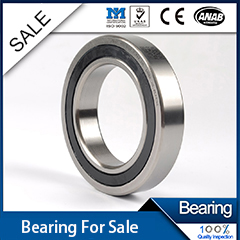
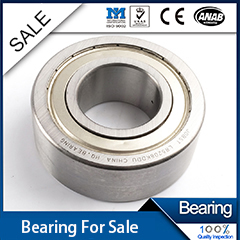
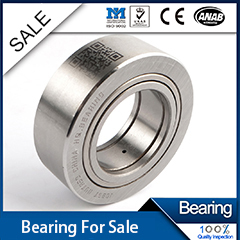
SKF 351019 C Bearings: Selection and Interchange Considerations Evaluate radial/axial load components, dynamic rating, and L10 life for 351019 C in your gearbox or mounted unit. Check clearance C3/C4, misalignment tolerance, and lubrication method (grease vs oil) to prevent brinelling and cage damage. Confirm fit on shaft and in housing, seal type compatibility, speed limits, and potential corrosion. For interchange,
Get Quote »Sizing and Fit Requirements for 351019 C Bearings
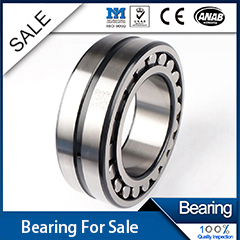
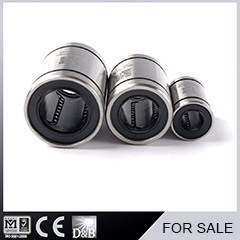
Sizing and Fit Requirements for 351019 C Bearings For engineers selecting 351019 C bearings, ensure load type and ratings align with service: radial/axial components, dynamic load rating, L10 life, and permissible misalignment. Specify clearance C3/C4, proper fits (shaft/housing), mounting method, and preload/endplay. Address lubrication (grease vs oil), sealing, contamination control, and operating temperature to prevent brinelling, spalling, or cage damage.
Get Quote »Lubrication and Sealing for 351019 C SKF Bearings
Lubrication and Sealing for 351019 C SKF Bearings: Practical guidance for engineers and maintenance teams. Assess clearance C3/C4, lubrication type (grease vs oil), and contamination control. Consider load type (radial/axial), dynamic capacity, vibration, and sealing integrity to minimize fretting, brinelling, and premature spalling. Include proper fits (shaft/housing), mounting method, and thermal effects on lubricant viscosity and sealing wear.
Get Quote »Installation Best Practices for 351019 C Bearing Units

Installation Best Practices for 351019 C Bearing Units Key factors: mounting accuracy, shaft/housing fits (C3/C4), preload and endplay control, lubrication selection (grease/oil) and sealing integrity. Ensure proper alignment to minimize misalignment-induced cage wear, brinelling, and vibration. Verify radial/axial load conditions, speed limits, and contamination control during bolt torque, pin alignment, and housing seating. Document torque sequence, cleanliness, and spacer/mounting accessory
Get Quote »Failure Modes and Reliability of SKF 351019 C Bearings
SKF 351019 C bearings: a concise view for engineers and maintenance teams. Focus: failure modes and reliability under common operating conditions. Key engineering factors: combined load effects (radial/axial), dynamic/load ratings, misalignment and C3 clearance, lubrication choice (grease/oil) and contamination control, sealing integrity, fits (shaft/housing) and mounting preload, vibration-induced fretting, brinelling on races, cage wear, and temperature rise. Assess L10/L10h life
Get Quote »Inspection and Diagnostics for 351019 C Bearing Assemblies
Inspection and Diagnostics for 351019 C Bearing Assemblies Assess dynamic load, misalignment, and clearance (C3/C4) impacts on 351019 C units. Examine endplay, preload, lubrication selection (grease/oil) and contamination control, seal integrity, and cage condition. Verify mounting fit, shaft/housing fits, and mounting torque; monitor vibration, temperature rise, and noise for spalling, brinelling, or fretting indicators. Include L10/L10h life estimates and speed
Get Quote »Overview: SKF 351019 C Bearing Family
The SKF 351019 C bearing is part of SKF’s precision high-load line designed for medium to large cylindrical roller applications. Selection focuses on load profiles, speed, alignment tolerance, lubrication strategy, and mounting compatibility. This article presents practical guidance for engineers evaluating the 351019 C for conveyor, kiln, or heavy machine tool contexts, with emphasis on engineering parameters that influence life, reliability, and maintenance planning.
PDF Document:
Download: Skf 351019 C Bearings Makers [PDF]
Key bearing characteristics and engineering parameters
When assessing the 351019 C, consider the following bearing engineering entities and their impact on performance:
- Load type: Primarily radial loads with potential axial components in certain mounting configurations; assess combined load conditions and apply appropriate dynamic/radial capacity ratings.
- Dynamic and static ratings: Use L10 life estimates for planning intervals in high-cycle applications, and static safety factors for heavy loads or shock loading scenarios.
- Speed limit: Confirm the service speed as defined by SKF for 351019 C; ensure lubrication and cage design suit the velocity without excessive wear or vibration.
- Misalignment and axial displacement: Evaluate permissible misalignment and endfloat to avoid cage and roller brinelling or skid at start/stop transients.
- Clearance (C3/C4): Select internal clearance compatible with operating temperature, shaft/housing fits, and preload strategy to minimize fretting and slip.
- Lubrication: Determine grease or oil lubrication; for grease, confirm viscosity, replenishment intervals, and contamination control. For oil, specify supply flow and filtration to sustain lubricant film integrity.
- Sealing and contamination control: Use appropriate seals to limit dust ingress and maintain lubricant life; consider shaft-to-housing fits and mounting cleanliness during assembly.
- Mounting method and fits: Ensure correct shaft and housing fits, interference or clearance fits, and secure preload if required by the application.
- Preload and endplay: In high-precision or rigid-support installations, apply a preload to minimize internal clearance variations that can accelerate contact stress and cage damage.
- Temperature and corrosion handling: Assess operating temperature range and ambient conditions; select materials and lubricants suited to hostile environments if needed.
- Vibration and noise: Monitor for characteristic rise in vibration or tonal changes indicating bearing unbalance, cage damage, or raceway wear.
Operating conditions: alignment, lubrication, and environment
For reliable service life, the following operating-condition checks are essential when deploying the 351019 C:
- Alignment: Verify concentricity between shaft and bore; correct misalignment to minimize edge loading and premature raceway wear.
- Lubrication regime: Choose grease or oil based on service temperature and speed. High-speed or high-temperature applications may demand synthetic lubricants and tighter contaminant control.
- Contamination control: Implement seals, breathers, and clean lube supply to reduce abrasive particles that accelerate spalling, brinelling, or cage damage.
- Sealing integrity: Inspect seals for wear or hardening that could allow ingress or lubricant leakage, compromising life.
- Fits and mounting: Confirm shaft and housing tolerances, as improper fits can introduce endplay or axle deflection under load.
- Endplay and preload: In precision gearboxes or machine tools, set axial preload to suppress internal looseness that amplifies vibration.
Installation and maintenance checks
Proper installation and disciplined maintenance extend service life for the 351019 C. Use these checks as a deployment checklist:
- Cleanliness: Ensure mounting surfaces are free of debris; handle bearings with clean hands and tools to prevent contamination.
- Handling: Avoid impact loads during installation; use correct pressing or rolling methods as recommended by SKF for the 351019 C family.
- Lubricant fill and renewal: Verify grease fill level if applicable; schedule lubrication replenishment consistent with operating temperature and speed.
- Torque and seating: Apply correct fastener torque to prevent shaft bending or housing distortion; reseat bearings if evidence of fretting arises.
- Seal and shield inspection: Replace worn seals; check shield integrity to prevent lubricant loss and contaminant entry.
- Vibration monitoring: Baseline vibration spectrum after installation; plan periodic checks to detect early faults such as cage wear or raceway spalling.
- Alignment re-check: After start-up, re-check alignment as thermal expansion may alter clearance and load distribution.
Failure modes and prevention strategies
Common failure mechanisms in the 351019 C context include spalling from surface fatigue under improper lubrication or misalignment, brinelling from high static loads or shock, cage damage from excessive speed or poor lubrication, and fretting from inadequate endplay control. Prevention steps include:
- Confirming load conditions and ensuring the selected bearing can sustain radial plus axial components without excessive race stress.
- Maintaining lubricant integrity and cleanliness to avoid lubricant starvation or abrasive contamination.
- Managing misalignment and thermal growth by using appropriate fits and, where necessary, preload strategies to maintain race contact conditions within design tolerance.
- Regular inspection for discoloration, creeping, or unusual noise that signals race wear, compromised seals, or cage interference.
Data table: technical parameters for planning
| Parameter | Value/Guidance |
|---|---|
| Bearing type | Cylindrical roller bearing, single row, with bore for shaft mounting |
| Dynamic load rating (C) | Specific to model variant; use SKF catalog numbers to match application load |
| Static load rating (Cor) | Higher than dynamic rating to account for peak static conditions; verify per installation |
| Dynamic equivalent load (P) | Calculate with radial and axial load components; informs L10 life |
| Recommended lubrication | Grease or oil per operating temperature; confirm viscosity range |
| Maximum operating speed | Dependent on lubrication, clearance, and cage; verify in catalog data |
Application notes and procurement considerations
When sourcing the 351019 C, verify the exact SKF part family and variant numbers, as dimensional tolerances and cage types may differ. Align procurement with the application’s reliability targets, maintenance intervals, and available spares. Document renewal intervals based on condition-monitoring data such as vibration profiles, temperature rise, and lubricant wear indicators. Collaboration with bearing engineers and reliability engineers ensures selection accounts for dynamic loading, misalignment tolerances, and long-term life predictions.
Video Tutorial:
Inventory Planning for Critical Rotating Equipment
Inventory Planning for Critical Rotating Equipment Structured stock planning to ensure timely availability of high-demand bearings and accessories. Improves MTTR and reliability by reducing stockouts and obsolescence, while aligning with vibration, misalignment, and lubrication needs. Tracks L10 life, load/rating classes, clearance (C3/C4), seals, preload, and contamination controls to prevent outages.
Installation Fit Review & Mounting Guidance
Installation Fit Review & Mounting Guidance A structured assessment of shaft/housing fits, preload/endplay, and mounting method, delivering actionable guidance to optimize bearing clearance (C3/C4), lubrication choice, seals, and cage integrity. Improves installation accuracy, reduces misalignment and fretting, lowers brinelling risk, and extends L10/L10h life while controlling vibration, temperature rise, and contamination ingress.