SKF 23080 CCK W33 AOH 3080 G: Sizing and Selection Guide
SKF 23080 CCK/W33 AOH 3080 G: Sizing and Selection Guide Targeting engineers and maintenance teams, this guide distills load types (radial/axial/combined), dynamic/static ratings, L10 life, speed limits, misalignment, clearance (C3/C4), lubrication (grease/oil), seals, fits, mounting, preload, and endplay. It translates SKF geometry into practical selection cues for bearing arrangement with 23080 CCK W33 AOH 3080 G: consider radial/axial load split,
Get Quote »Interchangeability and Compatibility: SKF 23080 CCK W33 AOH 3080 G Bearings
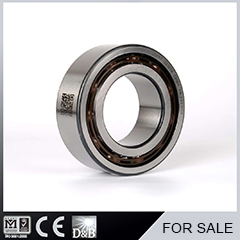
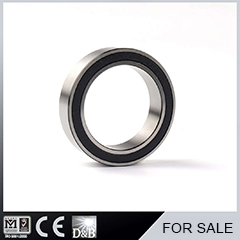
Interchangeability and Compatibility: SKF 23080 CCK/W33 AOH 3080 G bearings Assess matching dimensions, dynamic load rating, and clearance (C3/C4) for radial-axial support. Verify misalignment tolerance, mounting fits on shaft and housing, and seal/lubrication interface. Confirm cage design, speed rating, and lubrication method to ensure compatible lubrication and temperature range.
Get Quote »Lubrication and Seal Considerations for SKF 23080 CCK W33 AOH 3080 G

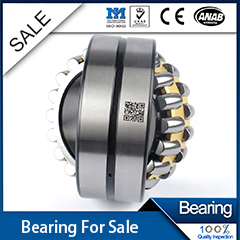
Lubrication and seal considerations for SKF 23080 CCK/W33 AOH 3080 G: assess operating load mix (radial/axial), dynamic rating and L10 life under V-belt or heavy-duty methods, select grease or oil with appropriate base oil viscosity, and ensure C3/C4 clearance guidance. Evaluate sealing: labyrinth vs lip, contamination exclusion, and fit tolerances on shaft/housing. Address misalignment tolerance, mounting preload, and lubrication frequency
Get Quote »Installation Procedures and Fits for SKF 23080 CCK W33 AOH 3080 G
SKF 23080 CCK W33 AOH 3080 G: Installation Procedures and Fits Key factors: shaft/housing fits (H7/h6), C3 clearance, misalignment tolerance, lubrication method, seal compatibility, preload/endplay, and mounting orientation. Procedure steps: verify bearing class and cage type, confirm dynamic/static load ratings, assess misalignment allowance, select grease/oil lubrication, install with proper shaft/housing fits, apply correct preload if required, and check endplay. Verify
Get Quote »Failure Modes and Inspection of SKF 23080 CCK W33 AOH 3080 G Bearings
SKF 23080 CCK/W33 AOH 3080 G: Failure modes and inspection compact guide. Focus on misalignment and mounting clearance (C3/C4), lubrication condition (grease/oil), seal integrity, and cage/roller brinelling under combined radial/axial loads. Assess dynamic/static load ratings, L10 life, temperature rise, and contamination ingress. Inspection checklist: shaft/housing fit, mounting method, preload/endplay, misalignment angles, seal wear, cage damage, brinell marks, spalling, and vibration/noise
Get Quote »Load, Life, and Misalignment Limits for SKF 23080 CCK W33 AOH 3080 G
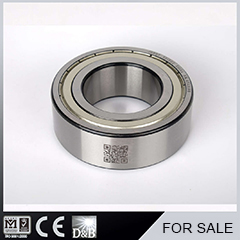
Examines SKF 23080 CCK/W33 AOH 3080 G: load type limits (radial/axial/combined), dynamic rating, L10 life, misalignment tolerance, and clearance C3/C4. Evaluates speed envelope, lubrication regime, seal integrity, fits, and mounting preload to avert brinelling, spalling, and cage damage under operating conditions.
Get Quote »SKF 23080 CCK W33 AOH 3080 G: Overview and Application Context
The SKF 23080 CCK W33 AOH 3080 G is a spherical roller bearing designed for heavy-duty advantages in conveyor, mill stand, gear reducer, and processing equipment where high radial load capacity and misalignment accommodation are required. The “CCK” series denotes a double-row spherical roller unit with cylindrical bore and integral spherical housing, while “W33” indicates a specific roller cage clearance and clearance class. The “AOH” designation refers to a sealing and lubrication configuration suitable for moderate to harsh environments, and “3080 G” captures a tolerance, bearing life rating, and specific internal clearance. When selecting this bearing, align your design with dynamic radial load, static load rating, misalignment tolerance, speed range, and lubrication strategy to meet reliability targets.
Selection Logic: Load, Clearance, and Lubrication
Key factors to verify during selection include:
Video Tutorial:
- Radial and axial load components: Ensure the design load vector falls within the bearing’s dynamic and static load ratings. For spherical rollers, combined loads are common; verify L10h life estimates under expected speed and load.
- Misalignment accommodation: Spherical roller bearings tolerate shaft deflection and housing misalignment. Confirm maximum permissible misalignment angle and the resulting wear implications on raceways and rollers.
- Dynamic and static ratings: Compare the bearing’s dynamic load rating (C) and static rating (Co) against peak operating conditions, including transient overloads.
- Clearance and fit: Select C3 or C4 internal clearance based on lubrication film expectations, thermal expansion, and mounting tolerances. Inspect shaft and housing fits to minimize creep or fretting.
- Lubrication regime: Determine grease vs oil lubrication, grease type and viscosity, replenishment intervals, and seal integrity. For AOH variants, examine seal design against dust ingress and moisture.
- Sealing and contamination: Consider ambient dust, splash, and chemical exposure. Ensure seals resist abrasion and maintain lubricant retention to prevent brinelling and corrosion.
- Mounting method and preload: Plan competent mounting to control endplay and preload, avoiding uneven contact stress. For spherical units, check the seating of the pedestal or pillow block configuration.
Operating Conditions and Reliability Considerations
In service, monitor these parameters to sustain reliability and reduce maintenance events:
- Vibration and noise: Track peak-to-peak vibration levels and noise signatures. Elevated vibration can indicate misalignment, insufficient lubrication, or cage damage.
- Temperature: Keep operating temperature within bearing rating limits. Heat generation may accelerate lubricant degradation and increase clearance changes, impacting radial stability.
- Lubrication condition: Regularly verify grease lubrication life, contamination levels, and lubricant film thickness. In oil-fed configurations, monitor oil cleanliness and filtration efficiency.
- Contamination control: Use seals or shields appropriate to the environment to minimize abrasive wear and pitting on raceways and rollers.
- Wear mechanisms: Watch for spalling, brinelling, cage damage, and fretting corrosion at high load, misalignment, or insufficient lubrication.
- Endplay and preload drift: Assess endplay over time; improper preload can alter contact geometry and accelerate wear.
Installation and Mounting Best Practices
Precise installation reduces early-life failures in spherical roller bearings:
- cleanliness: Maintain clean work areas, handle components with lint-free tools, and deburr mating surfaces to prevent raceway damage.
- shaft and housing fits: Validate interference fits or press fits on the inner ring and the outer housing/outer ring as required by the mounting scheme. Use appropriate sleeves or adapters if needed.
- preload management: Apply proper preloading or endplay control according to the design specification to achieve uniform load distribution.
- alignment checks: Confirm shaft alignment and housing bore perpendicularity to avoid uneven load distribution.
- sealing integrity: Install seals without damage, verify seal seating, and ensure correct orientation to maintain lubrication and block contaminants.
Maintenance Checks and Failure Prevention
Structured maintenance cycles help avert common bearing failures in SKF 23080 CCK W33 AOH 3080 G configurations:
- Lubrication monitoring: Schedule lubricant replenishment according to manufacturer recommendations and operating conditions. Consider grease life tests and oil cleanliness checks.
- Wear inspection: Periodically inspect for spalling, pitting, brinelling marks, and cage damage. Replace if wear exceeds permissible limits or if misalignment is detected.
- Seal and contamination control: Inspect seals for cracks or degradation and replace as needed to prevent ingress of dust, water, or chemicals.
- Vibration trending: Implement regular vibration analysis to detect early faults such as misalignment, looseness, or inner race deterioration.
- Thermal monitoring: Track bearing temperature rise relative to ambient and load; unusual heat indicates lubrication issues or excessive friction.
- Endplay and preload verification: Check endplay and adjust preload if the installation design specifies a particular clearance or preload to maintain even roller contact.
Maintenance Data Table
| Parameter | SKF 23080 CCK W33 AOH 3080 G |
|---|---|
| Dynamic load rating (C) | High for heavy radial loads with misalignment tolerance |
| Static load rating (Co) | Suitable for high static loading in pedestal or pillow block mounting |
| Internal clearance | C3/C4 options available; select per lubrication film and thermal expansion |
| Lubrication | Grease or oil lubrication; AOH sealing configuration for moderate environments |
| Misalignment allowance | Effective misalignment tolerance typical of spherical roller units |
Conclusion: Practical Guidance for Engineers
When specifying SKF 23080 CCK W33 AOH 3080 G bearings, anchor decisions in load vectors, misalignment, lubrication strategy, and environmental exposure. Use the selection logic to confirm ratings, clearance, and mounting requirements, then implement disciplined installation and maintenance to minimize spalling, brinelling, and cage damage. Regular condition monitoring—vibration, temperature, and lubricant condition—enables proactive maintenance and reliable operation in demanding industrial settings.
PDF Document:
Download: Skf 23080 Cck W33 Aoh 3080 G Bearings Manufacturers [PDF]
Bearing Failure Analysis (Spalling, Brinelling, Cage Damage)
Bearing Failure Analysis (Spalling, Brinelling, Cage Damage) Systematic root-cause evaluation of bearing damage types (spalling, brinelling, cage failure) with wear, raceway integrity, cage misalignment, and lubrication contamination checks. Outcomes: quantified fault severity, remaining life estimates (L10/L10h), misalignment and mounting corrections, lubricant regimen adjustments, and targeted prevention actions to reduce recurrence and downtime.
Lubrication Planning and Relubrication Interval Setup
Lubrication Planning and Relubrication Interval Setup establishes a data-driven schedule to optimize grease/oil type, viscosity, and re-lubrication frequency for bearings under radial, axial, or combined loads. Improves bearing life (L10/L10h) and reliability, reduces wear, contamination ingress, and fretting. Plans check lubrication type, fill quantity, seals, misalignment, temperature, and vibration indicators.